
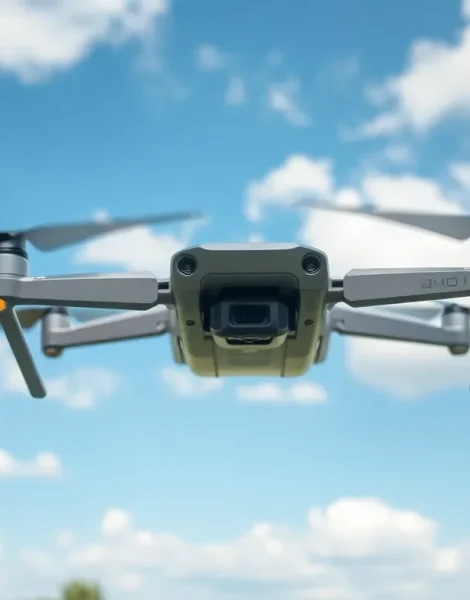
The market for top drones has exploded in 2025, and finding the right one can feel overwhelming. Whether someone wants to capture vacation footage or run a professional aerial photography business, there’s a drone out there that fits their needs and wallet.
This guide breaks down the best options across three categories: beginner-friendly models, mid-range picks for hobbyists, and professional-grade machines for serious users. It also covers the key features buyers should consider before making a purchase. No fluff, just practical recommendations to help readers find their perfect flying companion.
Table of Contents
ToggleKey Takeaways
- Top drones in 2025 span three main categories: beginner models under $300, mid-range options for hobbyists ($500–$1,200), and professional-grade machines starting at $2,000.
- The DJI Mini 4K is the best entry-level drone for beginners, offering 4K video and 31-minute flight time without requiring registration in many countries.
- Mid-range top drones like the DJI Air 3S and Mini 4 Pro deliver professional features such as obstacle sensing and advanced tracking at accessible price points.
- Sensor size matters more than megapixels—look for 1-inch or larger sensors for superior low-light performance and image quality.
- Sub-250-gram drones face fewer regulations worldwide, making them ideal for travelers and international content creators.
- Budget for accessories like extra batteries, ND filters, and carrying cases, as they can add $300 or more to your total investment.
Best Drones for Beginners
Starting with drones doesn’t require a massive investment. Several top drones under $300 deliver impressive performance for first-time pilots.
DJI Mini 4K
The DJI Mini 4K stands out as the best entry point for most beginners. It weighs under 250 grams, so registration isn’t required in many countries. The camera shoots crisp 4K video, and the drone handles wind surprisingly well for its size. Battery life hovers around 31 minutes per charge.
Price: Around $299
Holy Stone HS720E
For those on a tighter budget, the Holy Stone HS720E offers solid value at roughly $250. It features GPS return-to-home functionality, which means the drone flies back automatically if it loses connection. The 4K camera produces decent footage for social media content.
Ryze Tello
At just $99, the Ryze Tello serves as an excellent training drone. DJI helped develop its flight controller, so it flies smoothly even though the low price. The camera only shoots 720p video, but that’s fine for learning the basics. Kids and absolute beginners will appreciate its durability and programming features.
Beginner top drones share common traits: they’re lightweight, affordable, and forgiving of mistakes. Most include propeller guards and automatic landing features that protect against crashes.
Best Mid-Range Drones for Hobbyists
Hobbyists who’ve mastered the basics often want better cameras, longer range, and more advanced flight modes. Mid-range top drones in the $500–$1,200 range deliver significant upgrades.
DJI Air 3S
The DJI Air 3S dominates this category. Its dual-camera system includes a wide-angle lens and a 3x telephoto, giving pilots creative flexibility. The 1-inch sensor captures stunning low-light footage that rivals much pricier models. Flight time reaches 46 minutes, and obstacle sensing works in all directions.
Price: Around $1,099
Autel EVO Lite+
Autel’s EVO Lite+ competes directly with DJI at $1,049. It features a 1-inch sensor with adjustable aperture, a rarity at this price point. The orange color makes it easy to spot in the sky, and Autel’s customer support has earned praise from the drone community.
DJI Mini 4 Pro
Don’t let the “Mini” name fool you. The Mini 4 Pro packs professional features into a sub-250-gram body. It shoots 4K/60fps video with D-Log M color profile for better post-processing control. ActiveTrack 360° follows subjects smoothly, making it ideal for action sports footage.
Price: Around $759
These mid-range top drones suit travel photographers, real estate agents, and content creators who need quality footage without very costly. They strike the sweet spot between capability and portability.
Best Professional Drones for Advanced Users
Professional work demands professional tools. Top drones in the premium category start around $2,000 and climb well past $10,000 for cinema-grade systems.
DJI Mavic 3 Pro Cine
The Mavic 3 Pro Cine remains the gold standard for independent filmmakers. Its triple-camera setup includes a Hasselblad main camera with a 4/3 CMOS sensor. Internal ProRes recording eliminates the need for external recorders, and the 1TB SSD handles massive file sizes without slowdown.
Price: Around $4,799
DJI Inspire 3
For Hollywood-level production, the Inspire 3 delivers. Its full-frame 8K camera rotates 360 degrees, and the dual-operator system lets one person fly while another controls the gimbal. RTK positioning provides centimeter-level accuracy for repeatable shots.
Price: Around $16,499
Autel EVO II Pro V3
The EVO II Pro V3 offers a more affordable professional option at $1,899. Its 1-inch sensor captures 6K video, and the 42-minute flight time exceeds most competitors. Enterprise users appreciate its rugged build and modular payload system.
Professional top drones justify their cost through superior image quality, reliability, and specialized features. Commercial operators, surveyors, and cinematographers rely on these machines daily.
Key Features to Consider When Buying a Drone
Choosing among top drones requires understanding which features matter most for specific use cases.
Camera Quality
Sensor size affects image quality more than megapixel count. Larger sensors (1-inch or bigger) capture more light and produce cleaner footage in challenging conditions. Look for drones with at least 4K resolution and mechanical gimbal stabilization.
Flight Time and Range
Most consumer drones fly 25–45 minutes per battery. Professionals should budget for extra batteries since complex shoots drain power quickly. Transmission range matters for landscape photography, some drones maintain video links beyond 10 miles.
Obstacle Avoidance
Modern top drones use sensors to detect and avoid obstacles automatically. Entry-level models might only sense forward, while premium options cover all directions including above and below. This feature prevents expensive crashes, especially for beginners.
Portability
Foldable designs have become standard. Travel photographers should consider weight and packed dimensions. Sub-250-gram drones face fewer regulations in most countries, which simplifies international travel.
Intelligent Flight Modes
Features like ActiveTrack, Point of Interest, and Waypoints automate complex shots. These modes help pilots capture professional-looking footage without advanced flying skills. Hyperlapse and panorama modes expand creative possibilities.
Budget
Set a realistic budget that includes accessories. Batteries, ND filters, carrying cases, and insurance add up fast. A $500 drone might cost $800 once properly equipped.


