
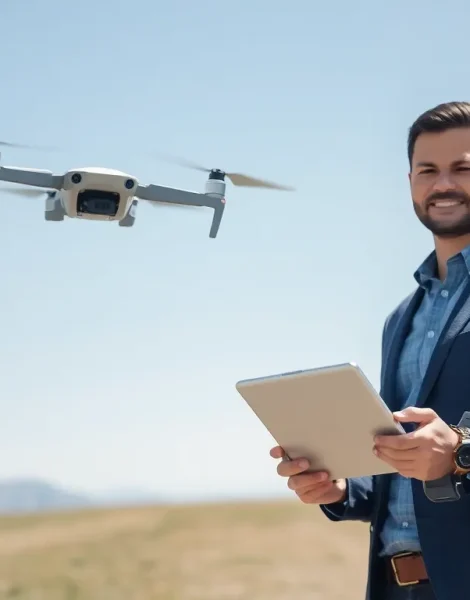
This drones guide covers everything a new pilot needs to know before taking flight. Drones have become popular tools for photography, racing, commercial work, and pure recreational fun. But choosing the right drone, and flying it safely, requires some assignments.
Whether someone wants to capture aerial footage of their next vacation or start a drone-based business, understanding the basics matters. This guide breaks down drone types, key features, flying tips, and legal requirements. By the end, readers will have the knowledge to make smart purchasing decisions and fly with confidence.
Table of Contents
ToggleKey Takeaways
- This drones guide covers four main drone types—consumer, racing, professional, and toy—each suited for different needs and budgets.
- Key features to evaluate when buying a drone include camera quality, flight time, range, obstacle avoidance, and GPS capabilities.
- New pilots should practice in open areas, master hovering first, and always fly within line-of-sight to avoid crashes.
- In the U.S., drones weighing 250 grams or more must be registered with the FAA, and flights are limited to 400 feet altitude.
- Commercial drone operators need Part 107 certification and should consider liability insurance for professional work.
- Always check weather conditions and perform pre-flight inspections to ensure safe and successful drone flights.
Understanding Drone Types and Their Uses
Drones come in several categories, and each type serves different purposes. A solid drones guide starts with knowing what’s available.
Consumer Drones
Consumer drones are the most common type. Companies like DJI, Autel, and Skydio manufacture these models for hobbyists and content creators. They typically feature built-in cameras, GPS stabilization, and user-friendly controls. Prices range from $300 to $3,000 depending on camera quality and flight capabilities.
Racing Drones
Racing drones prioritize speed over camera quality. These lightweight machines can reach speeds exceeding 100 mph. They require manual piloting skills since most lack GPS assistance. Racing drone enthusiasts often build custom rigs and compete in organized leagues.
Professional and Commercial Drones
Professional drones serve industries like real estate, agriculture, construction, and film production. These models carry higher-quality cameras and sensors. Some can lift heavy payloads like thermal imaging equipment or LiDAR scanners. Commercial operators need proper licensing in most countries.
Toy Drones
Toy drones cost under $100 and work well for kids or complete beginners. They’re durable, easy to fly indoors, and help new pilots learn basic controls. But, they lack advanced features like obstacle avoidance and high-quality cameras.
Understanding these drone categories helps buyers match their purchase to their actual needs. Someone interested in photography doesn’t need a racing drone, and a casual hobbyist probably doesn’t need a $5,000 professional model.
Key Features to Consider When Buying a Drone
The drone market offers hundreds of options. This section of the drones guide highlights the features that matter most.
Camera Quality
Camera resolution determines footage clarity. Most mid-range drones shoot 4K video at 30 or 60 frames per second. Higher-end models offer larger sensors, adjustable apertures, and RAW photo capabilities. Buyers focused on photography should prioritize camera specs over flight time.
Flight Time
Battery life limits how long a drone stays airborne. Most consumer drones fly for 20 to 45 minutes per charge. Serious pilots often purchase extra batteries. Longer flight times typically come with higher price tags.
Range
Transmission range determines how far the drone can fly from the controller. Entry-level drones might offer 500 meters of range. Premium models can maintain connection at 10 kilometers or more. Note that legal restrictions often limit actual flying distances regardless of technical capability.
Obstacle Avoidance
Sensors help drones detect and avoid trees, buildings, and other obstacles. Basic models have forward-facing sensors only. Advanced drones feature omnidirectional sensing that covers all angles. This feature proves especially valuable for beginners still learning control.
Portability
Foldable designs make transportation easier. Travel-friendly drones collapse to fit in small bags or even jacket pockets. Fixed-wing drones and larger professional models require dedicated carrying cases.
GPS and Return-to-Home
GPS enables stable hovering and automated flight paths. The return-to-home function brings the drone back if signal drops or battery runs low. Both features add safety and convenience for drone pilots at every skill level.
Essential Drone Flying Tips for Beginners
Every drones guide should include practical advice for new pilots. These tips help beginners avoid common mistakes and build skills faster.
Start in an Open Area
New pilots should practice in large, open spaces away from people, trees, and power lines. Empty parks, fields, or beaches work well. Crowded areas increase crash risk and create safety hazards.
Learn the Controls Before Flying
Spend time understanding the controller layout. Know which stick controls altitude, which handles direction, and where emergency buttons are located. Many drone apps include simulator modes for practice without risking actual equipment.
Check Weather Conditions
Wind speeds above 15-20 mph challenge even experienced pilots. Rain damages electronics. Cold temperatures reduce battery performance. Always check forecasts before heading out.
Perform Pre-Flight Checks
Inspect propellers for damage before each flight. Verify battery charge levels. Ensure firmware is updated. Confirm GPS signal locks before takeoff. These quick checks prevent mid-flight problems.
Fly Line-of-Sight
Keep the drone visible at all times. Flying beyond visual range creates control difficulties and violates regulations in most areas. If the drone looks like a tiny dot, it’s probably too far away.
Master Hovering First
Before attempting complex maneuvers, practice stable hovering at various heights. Learn how the drone responds to control inputs. Patience during this phase prevents expensive crashes later.
Record Your Flights
Reviewing footage helps identify mistakes and track improvement. Many pilots notice bad habits, like jerky movements or poor framing, only when watching playback.
Drone Laws and Regulations You Need to Know
A responsible drones guide must address legal requirements. Drone laws vary by country, but several rules apply broadly.
Registration Requirements
In the United States, the FAA requires registration for drones weighing 0.55 pounds (250 grams) or more. Registration costs $5 and lasts three years. Similar requirements exist in the UK, Canada, Australia, and most European countries. Pilots must display registration numbers on their aircraft.
Altitude Restrictions
Most countries limit recreational drone flights to 400 feet above ground level. This ceiling keeps drones away from manned aircraft. Commercial operators can apply for waivers in specific circumstances.
No-Fly Zones
Drones cannot fly near airports, military bases, or government buildings. Temporary flight restrictions apply during emergencies, major events, and wildfires. Apps like B4UFLY and Airmap show restricted areas in real-time.
Privacy Considerations
Flying over private property or recording people without consent raises legal issues. Some jurisdictions have specific drone privacy laws. Pilots should respect others’ privacy and avoid creating conflicts with neighbors.
Commercial Licensing
Anyone using drones for paid work needs additional certification. In the US, this means passing the Part 107 exam. The test covers airspace rules, weather, and emergency procedures. Licensed operators gain access to restricted areas through proper authorization.
Insurance
Liability insurance protects pilots if their drone causes injury or property damage. Some locations require proof of insurance. Even where optional, coverage provides peace of mind.


