
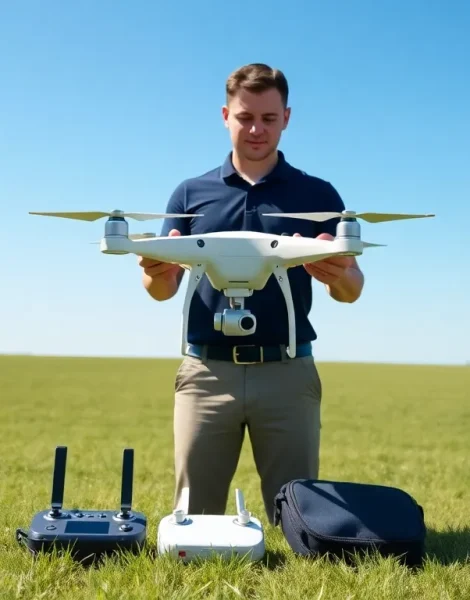
Learning how to fly drones opens up exciting possibilities for aerial photography, racing, and recreational fun. Drones have become more accessible than ever, with models available for every budget and skill level. This guide covers everything beginners need to know, from understanding drone components to mastering flight controls. Whether someone wants to capture stunning aerial footage or simply enjoy a new hobby, these fundamentals will help them take off with confidence.
Table of Contents
ToggleKey Takeaways
- Learning how to fly drones starts with understanding basic components like the flight controller, motors, and battery before your first flight.
- Beginners should start with affordable toy drones ($20–$100) to practice without risking expensive equipment.
- Always complete a pre-flight checklist, including propeller inspection, battery charge, and airspace restrictions using apps like B4UFLY.
- Master the four essential controls—throttle, yaw, pitch, and roll—through repetitive exercises like hovering and flying in square patterns.
- Use drone simulators like Liftoff or DRL Simulator to practice flight skills without risking real equipment.
- Join local drone clubs or online communities to accelerate your learning and get tips from experienced pilots.
Understanding Drone Basics And Components
Before learning how to fly drones, pilots should understand what makes these aircraft work. A standard drone consists of several key components that work together to achieve stable flight.
Frame and Motors
The frame holds all components together and determines the drone’s size and durability. Most consumer drones use quadcopter designs with four motors. Each motor spins a propeller to generate lift and control direction.
Flight Controller
This acts as the drone’s brain. The flight controller processes input from the remote and adjusts motor speeds to maintain stability. It uses sensors like gyroscopes and accelerometers to keep the drone level.
Battery
Lithium polymer (LiPo) batteries power most drones. Flight times typically range from 15 to 45 minutes depending on the drone’s size and battery capacity. Beginners should always have spare batteries ready.
Camera and Gimbal
Many drones include cameras for aerial photography. A gimbal stabilizes the camera during flight, producing smooth video footage. Entry-level drones may have fixed cameras, while advanced models offer 4K recording and mechanical gimbals.
Remote Controller
The transmitter sends commands to the drone via radio signals. Most controllers feature two joysticks, one for throttle and yaw, another for pitch and roll. Some drones can also connect to smartphones for additional control options.
Choosing The Right Drone For Your Skill Level
Selecting the right drone matters significantly for beginners learning how to fly drones safely. The wrong choice can lead to frustration, crashes, or wasted money.
Toy Drones ($20–$100)
These small, lightweight drones work perfectly for first-time pilots. They’re inexpensive enough that crashes don’t hurt the wallet. Most toy drones fly indoors and feature basic cameras. Popular options include the Holy Stone HS170 and Syma X5C.
Beginner Camera Drones ($100–$500)
Pilots ready for outdoor flight should consider this category. These drones offer GPS stabilization, return-to-home features, and decent cameras. The DJI Mini series stands out as an excellent beginner choice with its compact size and impressive capabilities.
Intermediate Drones ($500–$1,500)
Once pilots master basic controls, intermediate drones provide better cameras and longer flight times. The DJI Air 3 and Autel Evo Lite offer professional-grade footage while remaining user-friendly.
Key Features For Beginners
- Altitude hold: Maintains height automatically
- Headless mode: Simplifies orientation for new pilots
- One-key takeoff/landing: Reduces pilot workload
- GPS return-to-home: Brings the drone back if signal is lost
Starting with an affordable drone allows beginners to make mistakes without major financial consequences. As skills improve, upgrading to more capable aircraft makes sense.
Pre-Flight Checklist And Safety Considerations
Every successful drone flight starts before takeoff. Following a pre-flight checklist helps pilots avoid accidents and equipment damage.
Legal Requirements
In the United States, drones weighing over 0.55 pounds must be registered with the FAA. Recreational pilots should pass the TRUST (The Recreational UAS Safety Test) before flying. Commercial pilots need a Part 107 certification.
Pre-Flight Inspection
- Check propellers for cracks or damage
- Ensure batteries are fully charged
- Verify firmware is up to date
- Test controller connection before takeoff
- Inspect the frame for loose parts
Location Selection
Beginners should choose open areas away from people, buildings, and obstacles. Parks and empty fields work well for practice. Apps like B4UFLY help pilots check airspace restrictions in their area.
Safety Rules To Follow
- Always keep the drone within visual line of sight
- Never fly above 400 feet in uncontrolled airspace
- Avoid flying near airports or over crowds
- Don’t fly in rain, high winds, or poor visibility
- Respect others’ privacy when using cameras
Weather Considerations
Wind speeds above 15 mph challenge most beginner drones. Flying in cold temperatures reduces battery performance. Pilots should check weather conditions before each flight session.
Mastering Essential Flight Controls And Maneuvers
Understanding how to fly drones requires learning four primary control inputs. These controls work together to move the aircraft in any direction.
The Four Basic Controls
- Throttle: Controls altitude by increasing or decreasing motor speed. Pushing up makes the drone rise: pulling down makes it descend.
- Yaw: Rotates the drone left or right without changing position. This control spins the aircraft on its vertical axis.
- Pitch: Tilts the drone forward or backward, causing it to move in that direction.
- Roll: Tilts the drone left or right, creating lateral movement.
First Flight Practice
New pilots should start with simple exercises:
- Practice takeoff and landing repeatedly until it feels natural
- Hover at a fixed height for 30 seconds without drifting
- Fly forward and backward in a straight line
- Move left and right while maintaining altitude
- Combine movements to fly in a square pattern
Orientation Awareness
Many beginners struggle when the drone faces them. Suddenly, left becomes right and forward becomes backward. Practice flying with the drone pointed away first, then gradually work on facing orientations.
Common Beginner Mistakes
- Over-correcting with jerky stick movements
- Losing track of drone orientation
- Flying too high too quickly
- Ignoring low battery warnings
- Panicking during unexpected situations
Smooth, gradual stick inputs produce better flights. Pilots should resist the urge to make sudden corrections.
Tips For Improving Your Drone Piloting Skills
Learning how to fly drones well takes practice and patience. These tips help beginners progress faster and build confidence.
Use Simulator Software
Drone simulators let pilots practice without risking real equipment. Programs like Liftoff and DRL Simulator provide realistic flight physics. Many experienced pilots still use simulators to sharpen their skills.
Set Small Goals
Rather than attempting complex maneuvers immediately, focus on mastering one skill at a time. Spend entire sessions practicing figure-eights or smooth landings. This deliberate approach builds muscle memory faster.
Record And Review Flights
Most drones save flight logs and video footage. Reviewing this data helps identify problem areas. Pilots can see exactly where they lost control or made mistakes.
Join A Community
Local drone clubs and online forums connect beginners with experienced pilots. These communities share tips, recommend flying spots, and offer encouragement. Facebook groups and Reddit’s r/drones are great starting points.
Practice In Different Conditions
Once basic skills are solid, try flying in light wind or at different times of day. Varying conditions build adaptability. Always stay within safe limits while pushing boundaries gradually.
Learn Basic Repairs
Crashes happen. Knowing how to replace propellers, recalibrate sensors, and troubleshoot common issues saves time and money. YouTube tutorials cover most repair procedures for popular drone models.


