
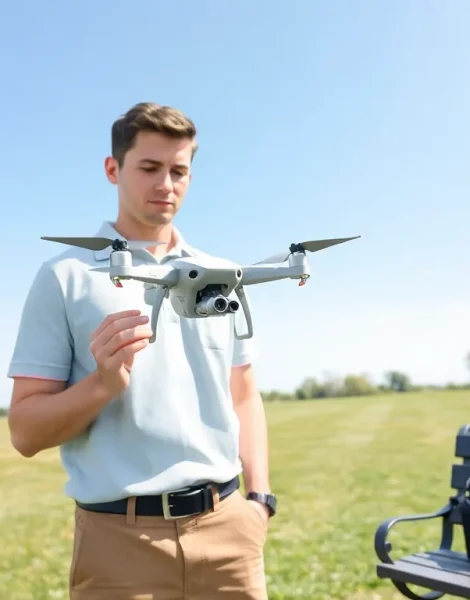
Drones for beginners can feel overwhelming at first. The market offers hundreds of options, each promising to be the perfect entry point. But here’s the thing: getting started doesn’t have to be complicated.
This guide breaks down everything new pilots need to know. From understanding how drones actually fly to picking the right model and staying legal, readers will find clear answers to common questions. Whether someone wants to capture stunning aerial photos or simply enjoy a new hobby, this article covers the essentials without the jargon.
Table of Contents
ToggleKey Takeaways
- Drones for beginners work using four rotors, a flight controller, and battery—understanding these basics builds flying confidence.
- Start with a budget-friendly drone ($100–$200) since crashes are inevitable during the learning phase.
- Look for beginner-friendly features like altitude hold, headless mode, one-key return, and propeller guards to make learning easier.
- Practice hovering and orientation in open spaces before attempting advanced maneuvers or flying near obstacles.
- Register your drone with the FAA if it weighs over 0.55 pounds and always fly below 400 feet within visual line of sight.
- Use apps like B4UFLY to check airspace restrictions and follow local laws to stay legal and protect the hobby.
What Is a Drone and How Does It Work
A drone is an unmanned aerial vehicle (UAV) that flies without a human pilot on board. Most consumer drones use four rotors, that’s why they’re often called quadcopters. Each rotor spins to generate lift and control movement.
Drones for beginners typically come with built-in flight controllers. These small computers process input from the remote control and adjust rotor speeds automatically. When a pilot pushes the joystick forward, the controller tells the back rotors to spin faster. This tilts the drone forward and creates forward motion.
Most drones rely on three key components:
- Motors and propellers – Generate lift and control direction
- Flight controller – The “brain” that stabilizes flight
- Battery – Powers everything, usually lithium polymer (LiPo)
GPS modules help drones hold position and return home if signal is lost. Sensors detect obstacles and measure altitude. Cameras capture photos and video, often transmitting live feeds to the pilot’s phone or controller screen.
Understanding these basics helps beginners troubleshoot issues and fly with confidence. A drone isn’t magic, it’s physics and software working together.
Choosing Your First Drone
Picking the right drone matters more than most beginners realize. A poor choice leads to frustration, crashes, and wasted money. A smart choice builds skills and keeps the hobby fun.
Drones for beginners fall into three main categories:
- Toy drones ($20–$50) – Small, lightweight, and cheap. Great for learning basic controls indoors. They break easily but cost little to replace.
- Entry-level camera drones ($100–$300) – Better flight stability and decent cameras. These handle light wind and offer GPS features.
- Intermediate drones ($300–$800) – Higher quality cameras, longer flight times, and advanced sensors. Good for pilots ready to invest in the hobby.
Most experts recommend starting with a cheaper model. Crashes happen, a lot. Learning on a $40 drone hurts less than destroying a $500 one.
Essential Features to Look For
Not all beginner drones are created equal. These features make learning easier:
Altitude hold keeps the drone at a steady height without constant input. This lets pilots focus on direction instead of fighting gravity.
Headless mode simplifies controls by making the drone respond relative to the pilot, not the drone’s orientation. Useful while learning, though pilots should eventually fly without it.
One-key return brings the drone back automatically. This saves many beginners from losing their aircraft in trees or over fences.
Propeller guards protect rotors during inevitable crashes. They also make indoor flying safer.
Spare batteries extend flight time. Most beginner drones fly for only 7–15 minutes per charge. Extra batteries keep the fun going.
Budget around $100–$200 for a solid first drone. Brands like DJI, Holy Stone, and Potensic offer reliable options for new pilots. Read reviews, check flight times, and make sure replacement parts are available.
Basic Flying Tips for New Pilots
Flying a drone takes practice. Even with stabilization features, new pilots should expect a learning curve. These tips help beginners build skills faster.
Start indoors or in open spaces. Parks, empty parking lots, and large backyards work well. Avoid trees, power lines, and crowds until confident.
Check the weather. Wind is the enemy of small drones. Most beginner models struggle in winds above 10 mph. Rain damages electronics. Pick calm, dry days for practice.
Master hovering first. Before attempting tricks or long flights, practice keeping the drone steady at one height. This builds muscle memory for the controls.
Learn orientation. When a drone faces the pilot, controls feel reversed. Left becomes right. This confuses many beginners. Practice flying toward yourself until it feels natural.
Fly in short sessions. Fatigue leads to mistakes. Take breaks between battery swaps. Review what went well and what didn’t.
Drones for beginners often include training modes that limit speed and altitude. Use them. There’s no shame in flying slow while learning.
Pre-flight checklist:
- Fully charge batteries (drone and controller)
- Check propellers for damage
- Calibrate compass if prompted
- Confirm GPS lock before takeoff
- Know where the return-to-home button is
Most importantly, stay patient. Every experienced drone pilot started as a beginner. Crashes teach more than smooth flights ever will.
Understanding Drone Laws and Safety Rules
Flying a drone comes with legal responsibilities. In the United States, the Federal Aviation Administration (FAA) regulates drone use. Breaking these rules can result in fines or criminal charges.
Registration requirements: Drones weighing more than 0.55 pounds (250 grams) must be registered with the FAA. Registration costs $5 and lasts three years. The registration number must be visible on the drone.
Recreational flying rules:
- Fly below 400 feet altitude
- Keep the drone within visual line of sight
- Never fly near other aircraft or over people
- Avoid restricted airspace (airports, stadiums, government buildings)
- Don’t fly under the influence of drugs or alcohol
Apps like B4UFLY help pilots check airspace restrictions before takeoff. Many areas require authorization through the LAANC system.
Drones for beginners often fly in neighborhoods and parks. This creates privacy concerns. Don’t hover over private property without permission. Avoid recording people without consent. Being a respectful pilot helps the entire hobby.
Safety basics:
- Never fly over crowds or moving vehicles
- Keep batteries away from heat and water
- Land immediately if the drone behaves strangely
- Maintain control at all times
Some states and cities have additional drone laws. Check local regulations before flying in a new area. Ignorance isn’t a valid defense.
Following these rules keeps pilots legal, protects bystanders, and prevents drones from being banned in more places.


