
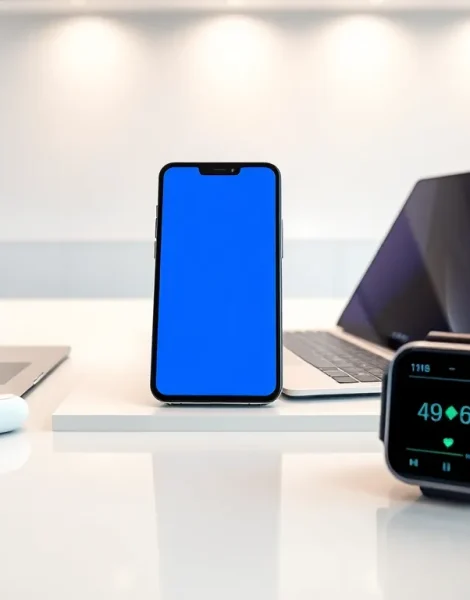
Top consumer electronics in 2025 bring remarkable upgrades across every category. Smartphones now offer AI-powered cameras. Laptops deliver desktop-level performance in thin frames. Smart home devices respond faster and work together more seamlessly than ever.
This guide covers the best electronics worth buying this year. From wearables that track health metrics with clinical accuracy to audio systems that transform living rooms into theaters, these products stand out for their quality, features, and value. Whether someone wants to upgrade a single device or overhaul their entire tech setup, this breakdown helps identify what matters most.
Table of Contents
ToggleKey Takeaways
- Top consumer electronics in 2025 feature AI-powered cameras, longer battery life, and seamless smart home integration across all categories.
- Mid-range smartphones like the Samsung Galaxy A55 and Google Pixel 8a deliver flagship-quality cameras at half the price.
- The Matter standard now connects smart home devices from different brands, eliminating compatibility issues.
- Wearables have evolved beyond step counting to track sleep apnea, blood oxygen, and detailed health metrics with clinical accuracy.
- When shopping for laptops, prioritize processor choice—Apple Silicon excels at efficiency while Intel Core Ultra and AMD Ryzen 8000 lead Windows performance.
- Plan smart home purchases as a connected system rather than buying random devices for the best results.
Smartphones and Mobile Devices
Smartphones remain the most essential top consumer electronics purchase for most people. In 2025, flagship devices from Apple, Samsung, and Google push boundaries in camera quality, battery life, and processing power.
The iPhone 16 Pro series introduces a new 48MP ultra-wide camera and improved video stabilization. Its A18 Pro chip handles demanding tasks without draining the battery. Android users gravitate toward the Samsung Galaxy S25 Ultra, which features a 200MP main sensor and S Pen integration. Google’s Pixel 9 Pro earns praise for its AI photo editing tools and seven years of software updates.
Mid-range phones have also improved significantly. The Samsung Galaxy A55 and Google Pixel 8a deliver excellent cameras and smooth performance at half the flagship price. These devices prove that top consumer electronics don’t always require top-tier budgets.
Buyers should consider these factors:
- Camera system: Look for optical zoom and low-light performance
- Battery capacity: 5,000mAh or higher ensures all-day use
- Software support: Longer update commitments protect the investment
- Processor: Current-generation chips handle apps and games without lag
Laptops and Tablets
Laptops and tablets rank among the top consumer electronics for work, creativity, and entertainment. The 2025 market offers compelling options across price points.
Apple’s MacBook Air M4 leads the ultrabook category. It delivers impressive performance while maintaining 18+ hours of battery life. The fanless design keeps it silent during video calls and light editing. For Windows users, the Dell XPS 14 and Lenovo ThinkPad X1 Carbon offer premium build quality and excellent keyboards.
Gaming laptops have become more portable. The ASUS ROG Zephyrus G14 packs RTX 4070 graphics into a slim chassis. Razer’s Blade 14 balances power and portability for gamers who travel.
Tablets serve different needs. The iPad Pro with M4 chip handles professional video editing and illustration. Samsung’s Galaxy Tab S10 Ultra appeals to Android users who want a large screen for multitasking. Budget-conscious buyers find good value in the iPad 10th generation and Samsung Galaxy Tab A9+.
What to Look For
Processor choice matters most for laptops. Apple Silicon chips excel at efficiency. Intel’s Core Ultra and AMD’s Ryzen 8000 series provide strong Windows performance. For tablets, storage capacity and display quality should guide decisions. Most users need at least 256GB of storage to avoid running out of space.
Smart Home Technology
Smart home devices have matured into practical top consumer electronics that simplify daily routines. The Matter standard now connects devices from different brands, ending compatibility headaches.
Smart speakers anchor most setups. The Amazon Echo (5th Gen) and Google Nest Audio provide quality sound and responsive voice assistants. Apple’s HomePod 2 appeals to iPhone users who want tight ecosystem integration. These speakers control lights, locks, thermostats, and more through simple voice commands.
Video doorbells and security cameras offer peace of mind. Ring’s Video Doorbell Pro 2 captures clear footage day and night. Google Nest Cam delivers excellent image quality and free basic recording. Arlo’s Pro 5S includes local storage options for privacy-focused users.
Smart thermostats save money on energy bills. The Google Nest Learning Thermostat adapts to schedules automatically. Ecobee’s Smart Thermostat Premium includes built-in air quality monitoring.
Lighting upgrades make immediate impacts. Philips Hue remains the gold standard for color-changing bulbs, though Govee offers budget-friendly alternatives with similar features. Smart plugs from TP-Link and Wyze turn regular appliances into connected devices for under $15.
These top consumer electronics work best when planned as a system rather than purchased randomly.
Wearable Tech and Fitness Gadgets
Wearables have evolved from step counters into sophisticated health monitors. These top consumer electronics track heart rate, sleep patterns, blood oxygen, and more.
The Apple Watch Series 10 leads the smartwatch market. It adds sleep apnea detection and an improved always-on display. Android users prefer the Samsung Galaxy Watch 7, which offers similar health features with Google’s Wear OS. Both watches handle notifications, calls, and mobile payments.
Fitness-focused buyers should consider Garmin’s lineup. The Forerunner 265 suits runners with detailed training metrics and GPS accuracy. The Fenix 8 serves outdoor athletes with solar charging and topographic maps. These watches prioritize battery life, lasting weeks instead of days.
Budget options exist too. The Fitbit Charge 6 tracks workouts and sleep for under $160. Amazfit’s GTR 4 offers smartwatch features at half the Apple Watch price.
Specialized Fitness Gadgets
Smart rings have gained popularity. The Oura Ring Gen 3 tracks sleep and recovery without the bulk of a watch. Samsung’s Galaxy Ring provides similar data with tighter ecosystem ties.
Smart scales like the Withings Body+ measure weight, body composition, and sync data to health apps. These devices help users see trends over time rather than fixating on daily numbers.
Audio and Entertainment Systems
Quality audio equipment transforms how people experience music, movies, and games. These top consumer electronics range from compact earbuds to full home theater setups.
Wireless earbuds dominate personal audio. The Apple AirPods Pro 2 deliver excellent noise cancellation and spatial audio for Apple device users. Sony’s WF-1000XM5 earbuds offer superior sound quality and work well across platforms. Samsung Galaxy Buds 3 Pro provide a compelling option for Android users.
Over-ear headphones suit listeners who prioritize sound quality. The Sony WH-1000XM5 remains the benchmark for noise cancellation and comfort. Bose QuietComfort Ultra Headphones compete closely with impressive spatial audio features. Audiophiles looking for wired options turn to Sennheiser’s HD 660S2.
Soundbar systems upgrade TV audio dramatically. The Sonos Arc provides theater-like sound in a single bar. Samsung’s HW-Q990D adds rear speakers and a subwoofer for true surround sound. Budget-conscious buyers find good value in the Vizio M-Series.
Streaming devices complete entertainment setups. The Apple TV 4K handles high-resolution content smoothly. Roku Ultra offers broad app support at a lower price. Amazon Fire TV Stick 4K Max provides Alexa integration and works well in Echo-equipped homes.
These top consumer electronics improve daily entertainment experiences significantly.


