
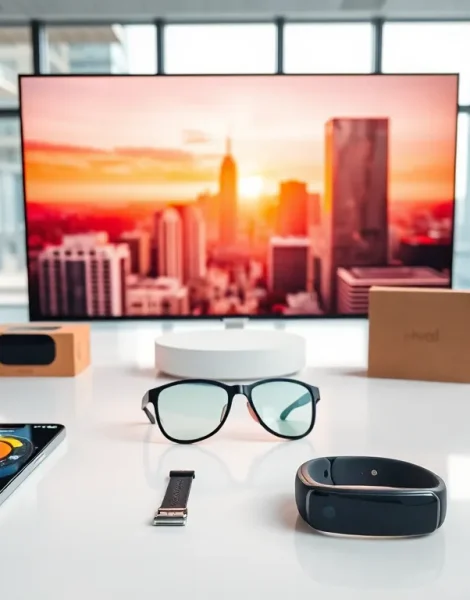
Consumer electronics trends 2026 will reshape how people interact with technology at home, at work, and on the go. The industry is entering a pivotal year. Artificial intelligence will power more devices than ever before. Sustainability will drive product design. Wearables will expand their capabilities. Smart home systems will finally deliver on promises of true integration.
This article covers the key consumer electronics trends 2026 will bring to market. Readers will learn which technologies are gaining momentum and how these shifts will affect everyday life. From AI assistants that anticipate needs to gadgets built with the planet in mind, the next twelve months promise significant change.
Table of Contents
ToggleKey Takeaways
- AI-powered devices will dominate consumer electronics trends 2026, with on-device processing enabling faster responses, better privacy, and smarter voice assistants.
- Sustainability is reshaping the industry through recycled materials, energy-efficient designs, and repairable products that benefit both consumers and the environment.
- Wearable technology is evolving beyond fitness to include serious health monitoring features like blood pressure estimation, glucose tracking, and mental wellness insights.
- The Matter smart home standard will finally deliver seamless integration, allowing devices from different brands to work together without complicated setup.
- Energy-efficient processors and display technologies will reduce operating costs while AI-driven predictive maintenance extends device lifespans.
- Smart rings and augmented reality glasses will emerge as mainstream alternatives to traditional wearables in 2026.
AI-Powered Devices Take Center Stage
Artificial intelligence will define consumer electronics trends 2026 more than any other factor. Major manufacturers are embedding advanced AI chips directly into smartphones, laptops, televisions, and home appliances. These chips process data locally instead of relying on cloud servers. The result? Faster responses and better privacy.
Smartphones will lead this shift. Apple, Samsung, and Google have already previewed devices with on-device AI that handles complex tasks without an internet connection. Users can expect real-time language translation, smarter photo editing, and predictive text that actually understands context. These aren’t gimmicks, they solve real problems.
Televisions are getting smarter too. AI-powered displays will adjust picture quality based on room lighting, content type, and viewer preferences. Some models will recognize who’s watching and automatically switch to that person’s preferred settings. It sounds like science fiction, but several brands plan to ship these features by mid-2026.
Voice assistants will become genuinely useful. Current versions frustrate users with misunderstood commands and limited capabilities. Next-generation assistants will handle multi-step requests, remember previous conversations, and control entire ecosystems of devices with natural language. “Turn off the lights, lock the doors, and start the dishwasher” will become a single, seamless command.
AI will also improve device longevity. Predictive maintenance features will alert users before batteries degrade or components fail. This keeps gadgets running longer and reduces electronic waste, a win for consumers and the environment alike.
The Rise of Sustainable and Energy-Efficient Electronics
Sustainability ranks high among consumer electronics trends 2026 will prioritize. Buyers increasingly demand products that minimize environmental impact. Manufacturers are responding with real changes, not just marketing spin.
Recycled materials will become standard. Samsung, Dell, and others have committed to using recycled plastics, metals, and rare earth elements in new products. Some companies are experimenting with bio-based materials that decompose safely at end of life. These materials perform as well as traditional options while reducing mining and manufacturing emissions.
Energy efficiency improvements are accelerating. New processor architectures consume less power while delivering more performance. Display technologies like OLED and micro-LED use energy more efficiently than older LCD panels. Chargers and power adapters are shrinking and wasting less electricity as heat.
Repairability is making a comeback. The European Union’s right-to-repair regulations have pushed global brands to design products that owners can fix themselves. Modular phones, laptops with replaceable batteries, and appliances with standardized parts will become more common in 2026. This extends product lifespans and keeps devices out of landfills.
Packaging is changing too. Expect less plastic, more recycled cardboard, and smaller boxes that reduce shipping emissions. Apple and Google have eliminated plastic from most packaging. Other brands will follow as consumers reward sustainable practices with their wallets.
These shifts aren’t just feel-good gestures. Energy-efficient devices cost less to operate. Repairable products save money over time. Sustainable consumer electronics trends 2026 brings will benefit both people and the planet.
Wearable Technology Evolves Beyond Fitness
Wearable technology will expand its purpose in 2026. Step counting and heart rate monitoring are old news. The next generation of wearables will track health metrics that matter and integrate into daily life in new ways.
Health monitoring capabilities are getting serious. Smartwatches will detect irregular heart rhythms, measure blood oxygen continuously, and estimate blood pressure without a cuff. Some devices will monitor glucose levels through the skin, a breakthrough for diabetics who currently rely on finger pricks. These features require regulatory approval, but several products are moving through the pipeline.
Mental health tracking is emerging as a key feature. Wearables will analyze sleep patterns, stress indicators, and activity levels to provide insights about mental well-being. Some devices will suggest breathing exercises or meditation when they detect elevated stress. This isn’t a replacement for professional care, but it offers useful data for self-awareness.
Smart rings are gaining ground as an alternative to watches. They’re smaller, lighter, and less obtrusive. Brands like Oura and Samsung have proven the concept. Expect more competitors and improved features in 2026. These rings track sleep, activity, and even make contactless payments.
Augmented reality glasses will take another step forward. Meta, Apple, and others are refining lightweight designs that display information without blocking vision. Early adopters will use them for navigation, notifications, and hands-free communication. Mass adoption is still years away, but 2026 will bring meaningful progress.
Consumer electronics trends 2026 shows wearables becoming essential tools, not just fitness accessories. They’ll help people manage health, stay connected, and interact with technology in ways that feel natural.
Smart Home Integration Becomes Seamless
Smart home devices have frustrated users for years. Different brands use different apps. Devices don’t communicate well. Setup takes too long. Consumer electronics trends 2026 suggests these problems are finally getting solved.
Matter is the key. This universal smart home standard launched in late 2022 and has gained momentum ever since. By 2026, most new smart home products will support Matter out of the box. Devices from different manufacturers will work together without complicated workarounds. A Philips light bulb will talk to a Google speaker and an Amazon display without drama.
Voice control will improve dramatically. AI advances mentioned earlier apply here too. Smart home systems will understand context, remember preferences, and handle complex requests. “I’m going to bed” could trigger a personalized routine: lights dim, doors lock, thermostat adjusts, and morning alarms activate.
Energy management will become smarter. Connected thermostats, appliances, and solar systems will coordinate to minimize electricity costs and environmental impact. Homes will automatically use power when rates are lowest or when solar panels generate excess energy. Some utility companies offer incentives for customers who allow limited remote control of high-draw appliances during peak demand.
Security systems will get more intelligent. AI-powered cameras will distinguish between delivery drivers, family members, and genuine threats. False alarms will decrease. Notifications will become more useful. Integration with locks, lights, and speakers will create coordinated responses to security events.
The smart home vision that companies have promised for a decade is finally within reach. Consumer electronics trends 2026 will deliver connected homes that actually work as advertised. Setup will be easier. Devices will cooperate. Users will spend less time troubleshooting and more time enjoying the benefits.


