
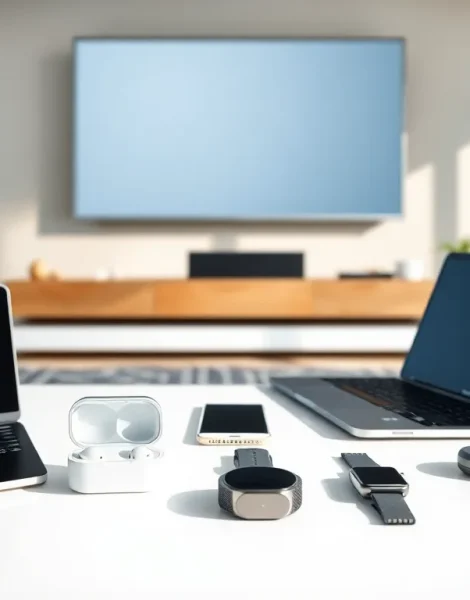
Consumer electronics examples surround people every day, from the smartphone in their pocket to the television in their living room. These devices have become essential tools for communication, entertainment, and productivity. Understanding the range of consumer electronics available helps buyers make informed decisions and get the most value from their purchases.
This guide explores common consumer electronics categories, highlights popular examples, and explains how these devices have changed over time. Whether someone is shopping for a new gadget or simply curious about everyday tech, this overview provides clear and practical insights.
Table of Contents
ToggleKey Takeaways
- Consumer electronics examples include smartphones, laptops, TVs, gaming consoles, and smart home devices—all designed for everyday personal use.
- Smartphones are the most widely owned consumer electronics, combining communication, photography, and thousands of apps in one device.
- Modern home entertainment systems feature 4K/8K TVs, streaming devices, soundbars, and gaming consoles for immersive experiences.
- Consumer electronics have evolved dramatically, shrinking in size while gaining connectivity, AI features, and longer battery life.
- When choosing consumer electronics, prioritize your actual needs, check compatibility with existing devices, and read reviews for real-world insights.
- Mid-range products often deliver the best value, while thinking ahead about future needs helps prevent premature upgrades.
What Are Consumer Electronics?
Consumer electronics are electronic devices designed for personal use. These products serve everyday purposes like communication, entertainment, information access, and home management. They differ from industrial electronics, which businesses use for manufacturing or commercial operations.
Common consumer electronics examples include smartphones, laptops, televisions, gaming consoles, and smart home devices. These items share a few key traits: they run on electricity or batteries, contain electronic circuits, and target individual consumers rather than businesses.
The consumer electronics market generates hundreds of billions of dollars annually. According to industry reports, global spending on consumer electronics reached over $1 trillion in recent years. This figure reflects how deeply these devices have integrated into daily life.
People rely on consumer electronics for nearly every aspect of modern living. They use them to stay connected with family, stream movies, manage finances, monitor health, and control home appliances. The category continues to expand as technology advances and new product types emerge.
Popular Consumer Electronics Categories and Examples
Consumer electronics span many categories. Each category serves distinct purposes and includes multiple product types. Below are some of the most popular categories with specific consumer electronics examples.
Smartphones and Mobile Devices
Smartphones represent the most widely owned consumer electronics category. These pocket-sized computers handle calls, texts, internet browsing, photography, and thousands of apps. Apple’s iPhone and Samsung’s Galaxy series dominate the market, though brands like Google, OnePlus, and Xiaomi offer strong alternatives.
Tablets fall into this category as well. The Apple iPad remains the bestselling tablet, while Android options from Samsung and Lenovo attract budget-conscious buyers. E-readers like the Amazon Kindle serve readers who prefer digital books without the distractions of a full tablet.
Smartware also fits here. Smartwatches from Apple, Samsung, and Garmin track fitness, display notifications, and even make payments. These devices pair with smartphones to extend their functionality to the wrist.
Home Entertainment Systems
Home entertainment systems bring movies, music, and games into living spaces. Televisions lead this category. Modern TVs feature 4K or 8K resolution, OLED or QLED panels, and smart capabilities. Popular consumer electronics examples include Samsung’s QLED TVs, LG’s OLED models, and Sony’s Bravia series.
Streaming devices complement smart TVs or upgrade older models. The Roku Ultra, Amazon Fire TV Stick, and Apple TV 4K let viewers access Netflix, Disney+, and other services easily.
Sound systems enhance the viewing experience. Soundbars from Sonos, Bose, and Samsung deliver clearer audio than built-in TV speakers. Some consumers prefer full home theater setups with multiple speakers and a subwoofer.
Gaming consoles also belong here. Sony’s PlayStation 5, Microsoft’s Xbox Series X, and Nintendo’s Switch provide interactive entertainment for millions of households.
Personal Computing Devices
Personal computing devices help people work, create, and learn. Laptops remain essential consumer electronics for students, professionals, and casual users. Apple’s MacBook line appeals to creative professionals, while Dell’s XPS and Lenovo’s ThinkPad series serve business users well.
Desktop computers still attract gamers and professionals who need powerful hardware. Custom-built PCs and pre-made systems from brands like HP and ASUS deliver high performance for demanding tasks.
Accessories round out this category. Wireless keyboards, ergonomic mice, webcams, and monitors improve the computing experience. These items may seem secondary, but they significantly affect comfort and productivity.
How Consumer Electronics Have Evolved
Consumer electronics have changed dramatically over the past few decades. Early devices served single purposes. A phone made calls. A camera took photos. A music player played songs. Today, a single smartphone performs all these functions and hundreds more.
Size represents one major shift. Televisions once weighed hundreds of pounds and occupied large cabinets. Modern flat-panel TVs measure just inches thick and mount directly on walls. Computers shrank from room-sized machines to devices that fit in a backpack.
Connectivity transformed how consumer electronics work. Wi-Fi, Bluetooth, and cellular networks allow devices to communicate with each other and access the internet. Smart home products like thermostats, doorbells, and light bulbs connect to apps on smartphones.
Artificial intelligence now powers many consumer electronics examples. Voice assistants like Alexa, Siri, and Google Assistant respond to spoken commands. Smart cameras recognize faces. Recommendation algorithms suggest content based on viewing habits.
Battery technology has improved too. Smartphones last entire days on a single charge. Electric vehicles, yes, they count as consumer electronics, travel hundreds of miles before needing to recharge. Wireless earbuds play music for hours and recharge in compact cases.
These changes happened quickly. Products that seemed futuristic ten years ago now appear in most homes. The pace of innovation shows no signs of slowing.
Choosing the Right Consumer Electronics for Your Needs
Selecting the right consumer electronics requires some thought. Buyers should consider their actual needs, budget, and how devices will fit into their existing setup.
Start by identifying the primary purpose. Someone who mainly streams video needs a good TV and reliable streaming device. A remote worker benefits more from a quality laptop and webcam. Gamers should prioritize a capable console or PC.
Budget matters, but cheaper isn’t always better. Low-cost consumer electronics often lack durability or features that make daily use pleasant. Mid-range products frequently offer the best value. High-end options make sense for enthusiasts or those who depend heavily on a particular device.
Compatibility deserves attention. Apple products work best with other Apple devices. Android and Windows products integrate smoothly with each other. Mixing ecosystems can create friction, though it’s certainly possible.
Reviews help separate good products from disappointing ones. Tech websites, YouTube channels, and user reviews on retail sites provide real-world insights. Look for patterns in feedback rather than focusing on individual complaints.
Future needs also warrant consideration. A laptop with minimal storage might work now but cause frustration later. A TV with limited smart features could require an additional streaming device soon. Thinking ahead prevents premature upgrades.
Warranties and return policies offer protection. Reputable retailers provide reasonable return windows. Extended warranties sometimes make sense for expensive consumer electronics examples like large TVs or high-end laptops.


