
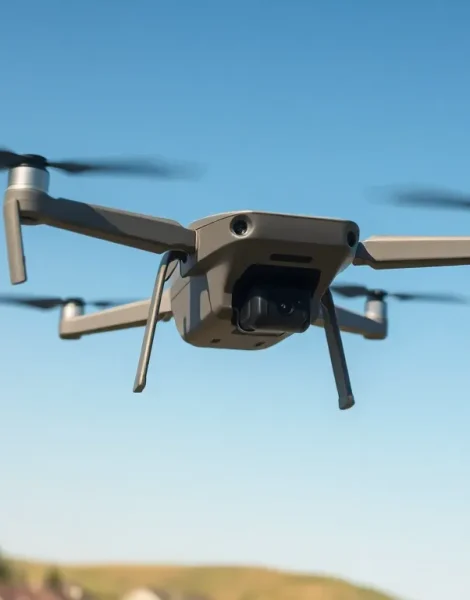
The best drones in 2025 offer something for everyone, from first-time flyers to seasoned aerial photographers. Whether someone wants to capture stunning landscape footage or simply enjoy a weekend hobby, the right drone makes all the difference. This guide breaks down top picks across price points and experience levels, helping buyers find the perfect match without wading through endless specs and marketing hype.
Table of Contents
ToggleKey Takeaways
- The best drones in 2025 range from beginner-friendly options under $300 to professional cinema-grade models over $16,000.
- Beginners should prioritize drones with obstacle avoidance, stable hover modes, and GPS return-to-home features to build confidence quickly.
- For photography and videography, look for drones with large sensors, gimbal stabilization, and at least 4K video resolution.
- Flight time, camera quality, range, and portability are the most important features to match against your specific needs.
- Drones under 250 grams, like the DJI Mini 4K, don’t require FAA registration in most cases—ideal for casual flyers.
- Always research local drone regulations before purchasing, as rules vary by location and restrict flights in certain areas.
Top Picks for Beginners
Starting out with drones doesn’t require a massive investment. Several entry-level options deliver solid performance without overwhelming new pilots with complicated controls.
The DJI Mini 4K stands out as one of the best drones for newcomers. It weighs under 250 grams, which means no FAA registration is required in most cases. The camera shoots crisp 4K video, and the flight time reaches about 31 minutes per charge. At around $299, it hits a sweet spot between affordability and capability.
Another strong choice is the Holy Stone HS720G. This drone costs roughly $350 and includes GPS return-to-home functionality. If a beginner loses orientation or the battery runs low, the drone flies itself back. That safety net builds confidence fast.
For those on tighter budgets, the Potensic A20 offers an indoor-friendly option at under $50. It lacks a camera but provides excellent practice for basic maneuvers. The propeller guards protect furniture and walls from rookie mistakes.
Beginners should prioritize drones with obstacle avoidance sensors and stable hover modes. These features reduce crashes and frustration during the learning curve. Most best drones in this category also include beginner modes that limit speed and altitude until pilots feel comfortable.
Best Drones for Photography and Videography
Content creators and professional photographers need drones that deliver exceptional image quality. The best drones for this purpose combine high-resolution cameras with gimbal stabilization and intelligent shooting modes.
The DJI Air 3 leads this category with dual cameras, a wide-angle and a 3x telephoto lens. It captures 48MP photos and 4K video at 100fps. The 46-minute flight time gives photographers more opportunity to nail the perfect shot. Priced around $1,099, it offers professional results without the price tag of cinema-grade equipment.
For serious videographers, the DJI Mavic 3 Pro raises the bar further. Its Hasselblad camera system produces stunning color accuracy straight out of the box. The triple-camera setup includes a 7x telephoto option for wildlife and sports footage. This drone costs approximately $2,199, a significant investment, but one that pays off for commercial work.
Budget-conscious creators should consider the Autel EVO Nano+. At $849, it packs a 1/1.28-inch sensor and records 4K HDR video. The compact size makes it easy to pack for travel shoots.
Key specs to watch include sensor size, bit rate, and log profiles for color grading. The best drones for photography also feature waypoint missions and active tracking, which automate complex shots that would otherwise require a dedicated pilot.
High-Performance Drones for Advanced Pilots
Experienced pilots often want speed, agility, or specialized capabilities. The best drones for advanced users push boundaries in ways that entry-level models simply can’t match.
The DJI Inspire 3 represents the pinnacle of prosumer drone technology. It flies at speeds up to 58 mph and supports dual-operator control, one person flies while another controls the camera. The full-frame 8K sensor captures cinema-quality footage. At $16,499, it’s clearly built for professional productions and serious enthusiasts with deep pockets.
FPV (first-person view) racing appeals to pilots who crave speed and immersion. The DJI Avata 2 offers an accessible entry point at $999. Pilots wear goggles and experience flight from the drone’s perspective. It reaches 60 mph and handles acrobatic maneuvers that standard drones can’t perform.
For industrial applications, the Autel EVO Max 4T combines thermal imaging, zoom cameras, and laser rangefinding. Search and rescue teams, inspectors, and surveyors rely on drones like this for professional tasks.
Advanced pilots should look for drones with manual camera controls, extended transmission ranges, and modular accessories. The best drones at this level also offer raw video formats and interchangeable payloads for specialized missions.
Key Features to Consider Before Buying
Choosing among the best drones requires matching features to specific needs. Several factors matter more than flashy marketing claims.
Flight time directly affects usability. Most consumer drones offer 20-45 minutes per battery. Serious users should budget for extra batteries, nobody wants to pack up after one short flight.
Camera quality depends on intended use. Casual flyers might be happy with 1080p video. Photographers and content creators need at least 4K resolution and a gimbal for smooth footage.
Range and transmission determine how far the drone can fly while maintaining a video feed. DJI’s OcuSync technology typically delivers 10+ miles of range, though legal restrictions usually limit practical distances.
Obstacle avoidance prevents costly crashes. Entry-level drones might have front-only sensors. Premium models feature omnidirectional detection that spots hazards from any angle.
Portability matters for travel. Foldable drones fit in backpacks easily. Larger professional models require dedicated cases and more planning.
Regulations vary by location. In the United States, drones over 250 grams require FAA registration. Some areas restrict flights near airports, stadiums, and government buildings. Buyers should research local rules before purchasing.
The best drones balance these features against price. Spending more doesn’t always mean getting more, sometimes mid-range options provide the best value for specific use cases.


